Newsletter

Weather Routing's Monthly TradeWinds Newsletter

Select an edition to view:

Yacht Newsletter
Volume 19 Issue 5 May 2026
Spring/Summer Transits up the U.S. East Coast
Kyle Petroziello, Senior Meteorologist

As we continue into the late spring/early summer months, transits up the East Coast become increasing popular to summer Northeast getaways and excursions even further north. While this time of year opens best windows to venture further north, there’s still notable features and best routing opportunities to be aware of.

The transition into late spring and early summer begins a strengthening trend of sub-tropical high pressure found over the central Atlantic extending towards the Southeast U.S. In turn, cold fronts off the East Coast lift further north, becoming weaker and less frequent.

With this pattern, trade conditions from further south tend to weaken and veer more following up the coast ahead of the next gradual frontal approaches, while beam swells are more modest. However, in the event ridging is stronger behind frontal passages, NE’ly surges can occur down the coast especially past Cape Hatteras, causing roadblocks.

One of two routes will often be best relative:

  • Gulf Stream Assist to shave distance/time with upwards of a 2 kt current boost under a typical weaker summer pattern. This involves routing from just offshore S'rn Florida due north to abeam offshore S'rn Georgia, then pivoting NE'ward to continue following the Gulf Stream to abeam Cape Hatteras. From there, based on current weather pattern further north, evaluations will be made to determine if continuing most direct offshore the Delmarva and Mid-Atlantic can be utilized under favorable weather, or, if hugging the coast thereafter will be best for lower relative conditions and stoppage oppurtunties.
  • Coastal in the event features tend stronger or stall, where hugging the coast is optimal for lowest conditions and opportunities to bail until better and more prolonged windows develop again. Popular ports of stoppage can be found along much of the coast, in which we expect any delays in such areas to average 1-2 days. Even inside routing via the ICW can be utilized for vessels that have this flexibility during times when most beneficial, such as challenging weather developing or lingering around Cape Hatteras.


Gulf Stream Assist vs. Coastal Routing along the East Coast (source: www.seaweather.net)

One caveat to keep in mind will be the growing possibility of tropical developments into the summer. Thus, the earlier in the season the better to reduce this concern. Though, shower and squall coverage becomes more prevalent regardless through the season as available tropical moisture increases. These will be monitored and warned accordingly for your trips.

Ultimately, we find Gulf Stream Assist routing to be the more likely recommendation beginning up the coast under usual season circumstances. However, coastal routing can still offer major benefit for those seeking greatest comfort, as well as offering bailout opportunity or when necessary for fuel range. Your recommendation will always weigh on the presenting pattern at the time, and we look forward to assisting you for safe and efficient voyages up the coast as we continue into the summertime transition. Be sure to reach out to WRI ahead of your plans north!

2026 Atlantic Tropical Season Outlook
Luke Morin, Meteorologist

With summer approaching, we near the beginning of the Atlantic Hurricane Season, which starts June 1, peaks in September, and ends November 30. As a reminder, key conditions that support tropical development include:

  • Low vertical wind shear
  • Warm sea surface temperatures (26.5°C / 80°F or higher)
  • High atmospheric moisture content

Why is 2026 forecast to be a below average year?

Factor #1:  The main reason for the quieter forecast is the expected development of El Niño conditions in the Equatorial Pacific. El Niño typically increases vertical wind shear and stronger upper-level westerly winds across the Caribbean and Gulf of Mexico, making it harder for storms in the Atlantic to organize and strengthen.


Figure 1: Impacts of ENSO on the components of tropical development. Green checks denoting conditions favorable for development, with red X’s denoting conditions unfavorable for development. 

Factor #2: Sea surface temperatures (SSTs) are near normal to 1°C above average across much of the Caribbean, while the Gulf of Mexico is running 1–2°C above normal. In contrast, SSTs across the Central and Eastern Tropical Atlantic are near normal to 1°C below average, a pattern expected to continue through the 2026 season. Cooler Atlantic SSTs can strengthen the subtropical high-pressure system, leading to stronger trade winds and increased wind shear across the Tropical Atlantic, which can inhibit storm development.

Figure 2: Sea surface temperature anomalies across the Atlantic basis May 06th 2026. 

Factor #3: A more active West African Monsoon is expected, transporting tropical moisture northward into northwestern Africa. A stronger monsoon can enhance the second half of the Atlantic Hurricane Season by producing westward-moving tropical waves, which often serve as the “seeds” for tropical cyclones when environmental conditions are favorable.


Figure 3: Official WRI Tropical Atlantic Basin predictions for the 2026 Season.

Early-season development in June will likely occur closer to North America, where wind shear is lower and sea surface temperatures are warmer than across the open Atlantic and Caribbean.

By July and August, ENSO conditions are expected to shift to more of a moderate El Niño, while Caribbean Sea surface temperatures remain average to slightly above average. This should allow tropical development to expand into the Caribbean and western Tropical Atlantic.

From September through November, development is expected to shift farther east into the Tropical Atlantic as an active West African Monsoon generates repeated tropical waves near the Cape Verde Islands. However, moderate to strong El Niño conditions and cooler-than-average SSTs in the Central and Eastern Atlantic should limit storm intensification.

These tropical waves typically follow one of two paths:

  • West-northwestward into the Caribbean, Gulf of Mexico, and North America 
  • Northwestward or northward into the open Atlantic, potentially affecting the U.S. East Coast, Canadian Maritimes, Europe, and trans-Atlantic shipping routes. 

Figure 4: Potential tropical tracks through as the season progresses.

When tropical weather threatens operations, clients rely on WRI for accurate, continuous monitoring and forecasting. Our team of degreed meteorologists delivers clearconcise, and timely guidance to support route planning and critical decision-making to keep you, your crew, and your vessel safe.

WRI helps our clients make informed operational decisions with confidence, maintaining direct communication with captainss to ensure the latest information is delivered quickly. WRI provides:

  • Four daily updates on classified tropical systems
  • Early monitoring and reporting on tropical lows and disturbance areas before official classification by forecasting agencies
  • Daily tropical summaries for the Atlantic Ocean basin around 0900UTC
  • Access to the Tropical Tracker tool on our SeaWeather website and app - enabling real-time visualization of active systems relative to your vessel

Please contact WRI with any questions or concerns regarding any tropical development. We are available 24/7 and more than happy to help!

Upcoming Events
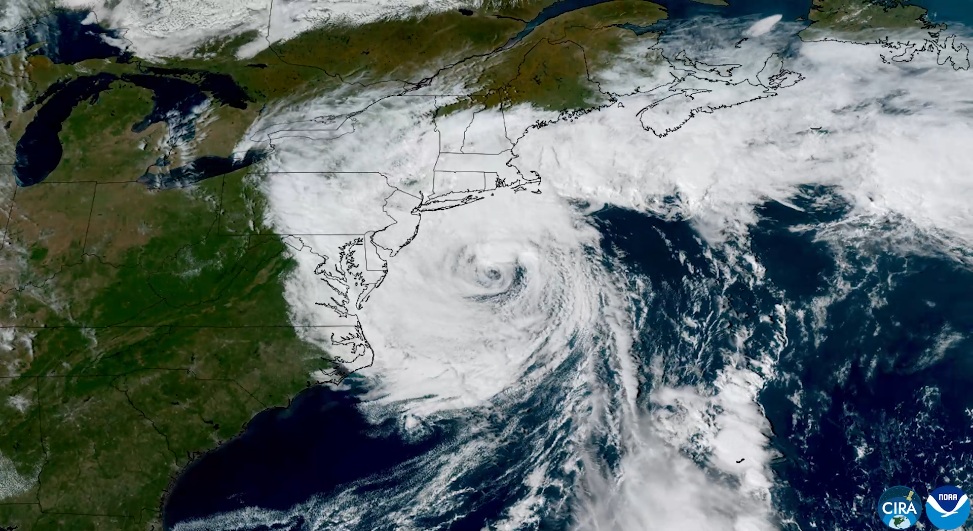
17 - 20 September, 2026 - Newport International Boat Show
15 - 18 October, 2026 - Annapolis Boat Show
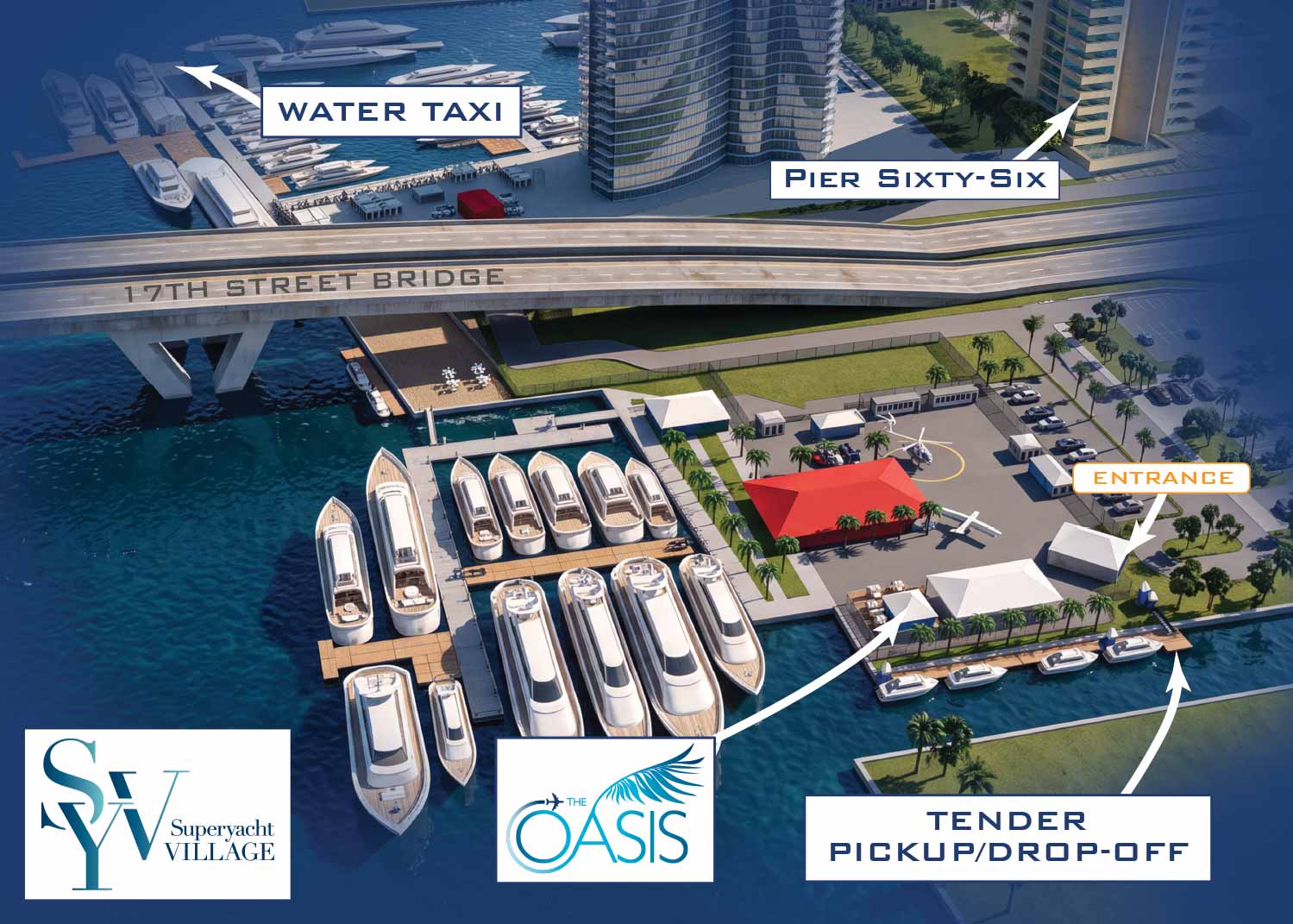
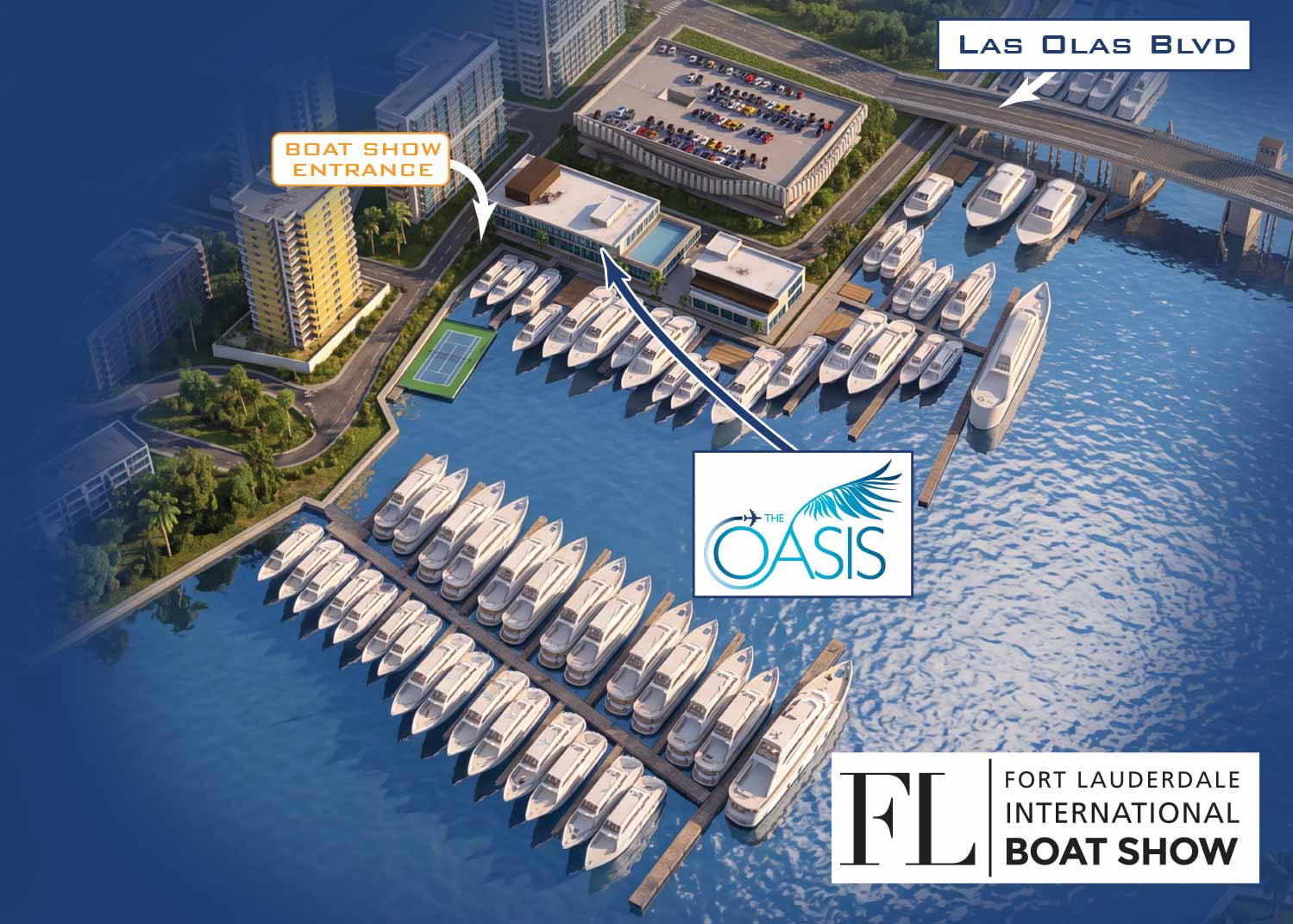
28 October - 1 November, 2026 - Fort Lauderdale International Boat Show
Product/Services
SeaWeather Trials
Yacht Services
Marina Services
Race & Rally Services
Angler Services
Special Projects
NEW SeaWeather App

Social Share Buttons and Icons powered by Ultimatelysocial